
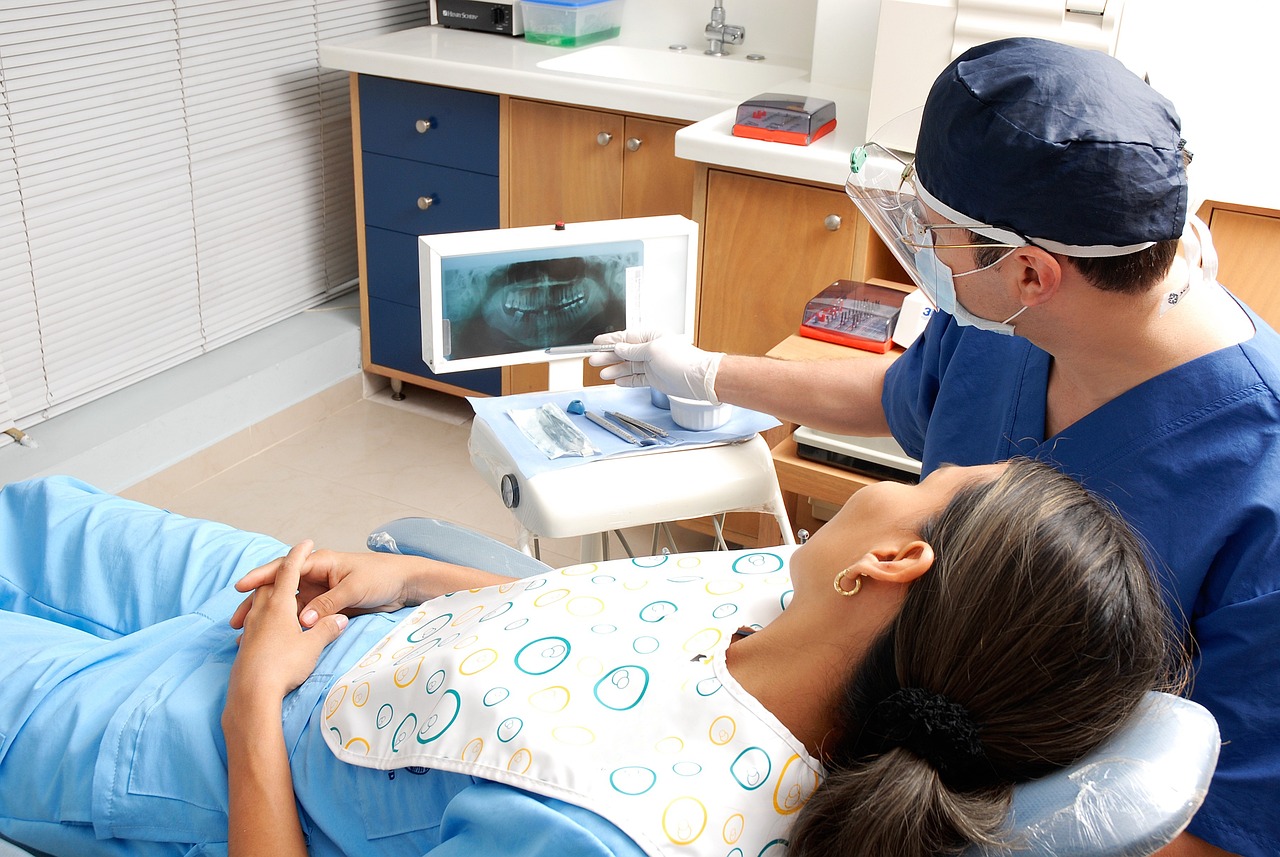
An underbite can change more than your smile. It may affect your bite, jaw comfort, speech, and even daily confidence. Many adults also avoid treatment because they do not want traditional metal braces.
That concern has made Invisalign one of the most searched orthodontic treatments today.
Patients often ask: can Invisalign fix underbite? In many mild to moderate cases, yes. Invisalign aligners can improve bite alignment, shift teeth gradually, and support better jaw function without traditional braces.
At Nipissing Dental in Milton, ON, Canada, many patients choose Invisalign underbite treatment because it offers a discreet and comfortable alternative to metal braces.
This guide explains:
- What causes an underbite
- How Invisalign works
- Whether Invisalign can correct underbite
- Invisalign underbite before and after expectations
- Treatment timelines
- Invisalign vs braces for underbite
- When surgery may still be necessary
Let’s start with the basics.
What Is an Underbite?
An underbite happens when the lower teeth sit in front of the upper teeth when the mouth closes. Dentists classify this condition as a type of malocclusion, which means improper bite alignment.
Some underbites remain mild and mostly cosmetic. Others create serious dental bite issues over time.
Common Signs of an Underbite
Patients with an underbite may notice:
- Jaw discomfort
- Difficulty chewing food
- Speech problems
- Teeth grinding
- Lower jaw protrusion
- Uneven tooth wear
- Facial imbalance
Underbite correction improves more than appearance. It can also improve oral function and long-term dental health.
What Causes an Underbite?
Several factors may contribute to underbite development.
Common Causes Include
- Genetics
- Jaw growth differences
- Thumb sucking during childhood
- Long-term pacifier use
- Tongue thrusting habits
- Missing or crowded teeth
According to the American Association of Orthodontists, early orthodontic evaluations help identify bite problems before they become more severe.
How Does Invisalign Work?
Before answering can Invisalign fix underbite, it helps to understand how Invisalign treatment works.
Invisalign uses customized clear aligners that gradually move teeth into healthier positions. Each aligner tray applies controlled pressure to specific teeth.
Patients switch aligners every one to two weeks based on the treatment plan.
What Are Invisalign Aligners?
Invisalign aligners use SmartTrack® material designed for predictable tooth movement and improved comfort.
Unlike traditional braces, Invisalign aligners:
- Remove easily during meals
- Allow easier brushing and flossing
- Feel smoother against the gums
- Avoid wires and brackets
- Remain nearly invisible during treatment
Many adults in Milton preferInvisalign because the aligners blend naturally into daily life and professional environments.
Can Invisalign Fix Underbite?
Yes, Invisalign can fix many mild and moderate underbite cases.
However, treatment success depends on several important factors.
Invisalign Underbite Treatment Works Best When:
- The underbite remains mild or moderate
- Teeth positioning causes most of the bite issue
- Patients wear aligners consistently
- Jaw structure does not require surgery
Orthodontists often combine Invisalign with additional treatment tools.
Invisalign for Underbite Correction May Include
- Attachments
- Precision cuts
- Customized aligner trays
These tools help guide both the teeth and bite into healthier alignment.
Can Invisalign Correct Underbite in Adults?
Yes. Many adults successfully improve bite alignment using Invisalign clear aligners.
Adult orthodontics continues to grow because patients want less noticeable treatment options.
Adult Underbite Invisalign Treatment Can Improve
- Bite correction
- Jaw alignment
- Smile appearance
- Teeth straightening
- Oral comfort
- Facial balance
Adults often assume orthodontic treatment only works during teenage years. That idea is outdated. Teeth can still move throughout adulthood with proper orthodontic treatment.
A professional Invisalign consultation at Nipissing Dental helps determine whether clear aligners suit your underbite condition.
Can Invisalign Fix Underbite Without Surgery?
In many mild cases, yes.
Invisalign can improve bite alignment without surgery when the issue mainly involves tooth positioning instead of major skeletal jaw problems.
Invisalign May Help Avoid Surgery If:
The underbite remains mild
- Teeth positioning causes the problem
- Jaw imbalance stays limited
- Patients follow treatment instructions carefully
However, severe skeletal underbites may still require surgical correction.
According to Mayo Clinic, severe jaw misalignment often requires combined orthodontic and surgical treatment.
Clear aligners work impressively well, but they cannot completely rebuild jawbones. If they could, dentists would probably wear superhero capes by now.
How Long Does Invisalign Take for Underbite Correction?
One of the most common questions patients ask is: how long does Invisalign take?
Treatment timelines vary based on the complexity of the underbite.
Average Invisalign Treatment Timeline
Most Invisalign underbite treatment plans take:
- 6–12 months for mild cases
- 12–24 months for moderate cases
- Longer for complex bite correction
Factors That Affect Treatment Time
Several factors influence how long Invisalign will take:
- Severity of the underbite
- Patient age
- Jaw structure
- Consistency with aligner wear
- Use of elastics or attachments
Patients should wear Invisalign aligners for 20–22 hours daily for the best results.
Removing aligners too often can slow progress and extend treatment time.
Invisalign Underbite Before and After Results
Many patients begin noticing changes within the first few months of treatment.
Common Invisalign Underbite Improvements
Patients often experience:
- Straighter teeth
- Improved bite alignment
- Better chewing ability
- Reduced jaw pressure
- Improved smile appearance
- Better facial balance
Digital dental scans also allow patients to preview expected results before treatment begins.
That technology improves communication and helps patients understand realistic treatment goals.
Does Invisalign Work for Severe Underbite?
Invisalign works effectively for many mild and moderate cases. However, severe skeletal underbites may require additional treatment methods.
Severe Underbite Treatment May Include
- Traditional braces
- Jaw surgery
- Hybrid orthodontic treatment
- Tooth extractions
Orthodontists evaluate each case individually because every jaw structure differs.
That is why professional assessment matters more than internet guesses or social media trends.
Invisalign Treatment Process at Nipissing Dental
Patients considering Invisalign in Milton, ON often want to understand the treatment process.
Step 1: Invisalign Consultation
The dental team evaluates:
- Bite alignment
- Jaw structure
- Tooth positioning
- Overall oral health
Digital scans and X-rays help create an accurate treatment plan.
Step 2: Customized Invisalign Plan
Advanced software maps tooth movement throughout treatment.
Patients can often preview expected results before treatment begins.
Step 3: Wearing Invisalign Aligners
Patients wear aligners daily and switch trays regularly.
Routine appointments help monitor progress.
Step 4: Retainers After Treatment
Retainers help maintain the final results after Invisalign treatment ends.
Skipping retainers rarely works well. Teeth sometimes try to shift back like they never agreed to the plan in the first place.
Benefits of Invisalign for Underbite Correction
Many adults choose Invisalign because it combines aesthetics, comfort, and convenience.
Key Benefits Include
- Comfortable aligner trays
- Easier oral hygiene
- Fewer food restrictions
- Removable aligners
- Improved confidence during treatment
For professionals and adults in Milton, Invisalign often feels more manageable than traditional braces.
Possible Limitations of Invisalign
While Invisalign offers many advantages, it may not work for every underbite case.
Invisalign Limitations Include
- Less effective for severe skeletal cases
- Aligners can get lost or damaged
- Treatment may take longer if aligners are not worn consistently
A professional consultation remains the best way to determine candidacy.
How Much Does Invisalign Cost for Underbite Treatment?
The cost of Invisalign underbite treatment depends on several factors.
Invisalign Cost Factors Include
- Length of treatment
- Complexity of tooth movement
- Additional orthodontic appliances
- Insurance coverage
Many Invisalign treatment plans range between $**** and $**** or more.
The American Dental Association recommends discussing financing options and insurance coverage during consultations.
When Should You See a Dentist for Underbite Treatment?
You should schedule an orthodontic consultation if you notice:
- Jaw pain
- Bite alignment issues
- Difficulty chewing
- Speech concerns
- Teeth grinding
- Facial imbalance
Early treatment can help prevent more serious dental complications later.
Patients in Milton, ON can schedule an Invisalign consultation with Nipissing Dental to discuss personalized treatment options.
Frequently Asked Questions
Can Invisalign fix underbite in adults?
Yes. Invisalign can successfully correct many mild and moderate underbite cases in adults.
How long does Invisalign take for underbite correction?
Most Invisalign underbite treatment plans take between 6 and 24 months depending on case complexity and patient consistency.
Does Invisalign hurt?
Patients may feel mild pressure when switching to new aligners. Most people adjust within a few days.
Is Invisalign better than braces for underbite?
Invisalign works well for many mild and moderate cases. Traditional braces may work better for severe underbite correction.
Can Invisalign replace jaw surgery?
Sometimes. Mild cases may avoid surgery, but severe skeletal jaw problems often require surgical correction.
What are Invisalign aligners made of?
Invisalign aligners use SmartTrack®, a flexible thermoplastic material designed for controlled tooth movement.
How often should Invisalign aligners be worn?
Most orthodontists recommend wearing Invisalign aligners for 20–22 hours each day.
Final Thoughts: Can Invisalign Fix Underbite?
So, can Invisalign fix underbite?
In many mild and moderate cases, yes. Invisalign can improve bite alignment, straighten teeth, and support healthier jaw function without traditional braces.
However, severe skeletal underbites may still require braces, surgery, or combined orthodontic treatment.
The best treatment plan always starts with a professional evaluation.
At Nipissing Dental in Milton, ON, Canada, patients receive personalized Invisalign treatment plans designed around comfort, aesthetics, and long-term oral health.
A healthier bite can improve more than appearance. It can improve confidence, comfort, and everyday quality of life.