
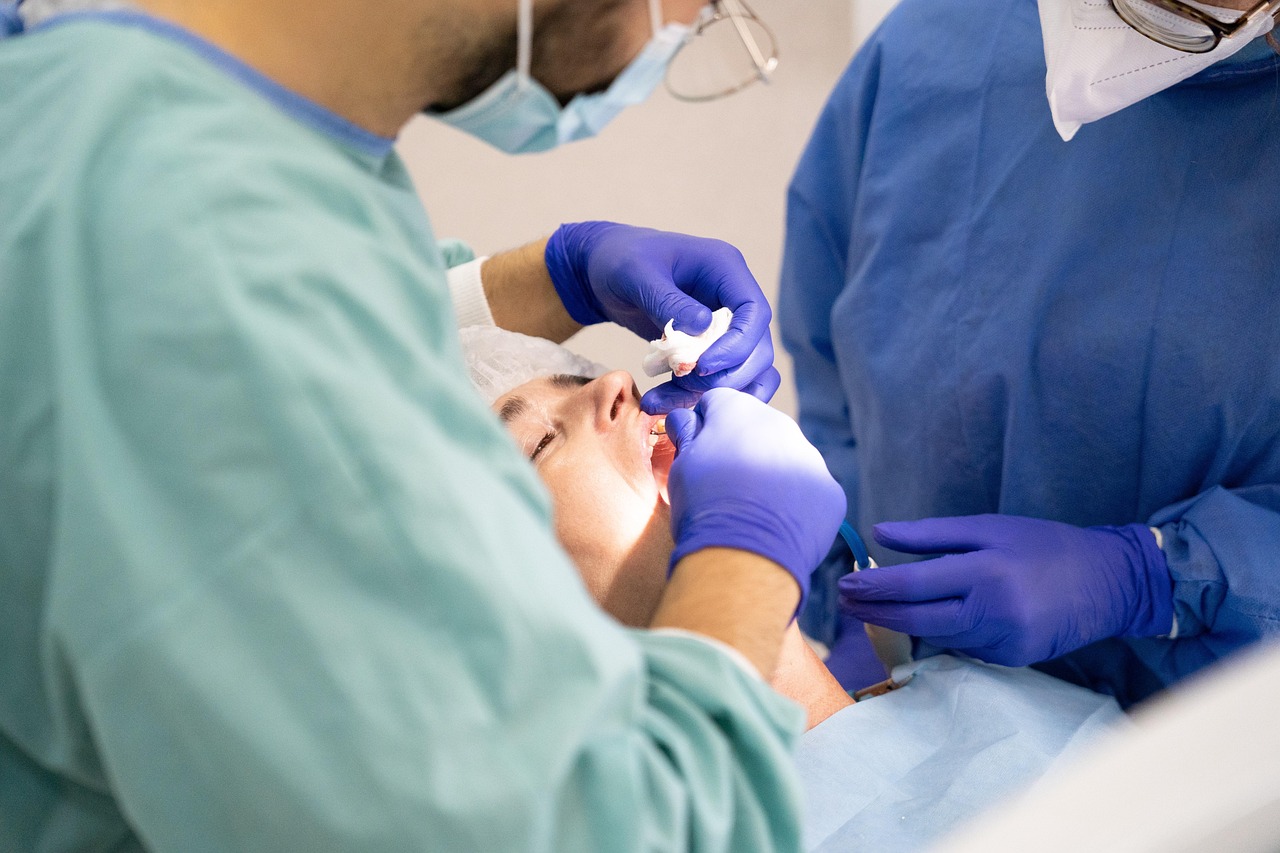
A sudden toothache, broken tooth, or swollen gums can quickly turn an ordinary day into a stressful situation. Many people are unsure whether their symptoms require immediate treatment or if they can safely wait a few days. I understand how confusing and overwhelming dental pain can feel—especially when it happens unexpectedly at night, during work, or over the weekend.
At Nipissing Dental in Milton, ON, we often meet patients who delayed treatment because they hoped the problem would improve on its own. Unfortunately, dental emergencies rarely resolve without professional care. In many cases, waiting too long can lead to more pain, infection, or permanent damage to the tooth.
If you’re searching for an Emergency Dentist near you, this guide will help you understand what qualifies as a dental emergency, when to seek urgent treatment, and what steps you can take to protect your oral health until you see a dentist.
What Counts as a Dental Emergency?
A dental emergency is any oral health issue that requires prompt treatment to relieve severe pain, stop bleeding, treat infection, or save a tooth.
Some problems may seem minor at first but can become serious if left untreated. According to the American Dental Association (ADA) and Canadian Dental Association (CDA), symptoms involving swelling, infection, trauma, or uncontrolled pain should always be evaluated quickly.
Common Dental Emergencies Include:
- Severe toothache
- Swollen gums or jaw
- Knocked-out tooth
- Broken or cracked tooth
- Dental abscess
- Lost filling or crown
- Bleeding after dental trauma
- Wisdom tooth infection
- Painful dental infection
- Facial swelling
If your symptoms interfere with eating, sleeping, speaking, or daily activities, it’s important to contact an emergency dental clinic in Milton as soon as possible.
Signs You Should Visit an Emergency Dentist
Some discomfort can wait for a routine appointment, but certain symptoms require immediate attention.
Severe or Throbbing Tooth Pain
Persistent pain that keeps getting worse may indicate:
- Infection
- Nerve inflammation
- Advanced tooth decay
- Cracked tooth
Pain that prevents sleep or affects daily activities should never be ignored.
Swelling in the Face or Gums
Swelling often signals infection. If swelling spreads into the jaw, cheek, or neck area, urgent treatment is necessary.
Emergency Warning Signs:
- Difficulty swallowing
- Facial swelling
- Pus near the gums
- Bad taste in the mouth
These symptoms may indicate a dental abscess that requires immediate care.
Knocked-Out Tooth
A knocked-out tooth is one of the most time-sensitive dental emergencies.
If this happens:
- Pick up the tooth by the crown only
- Avoid touching the root
- Rinse gently with water
- Keep the tooth moist
- Visit an Emergency Dentist immediately
Fast action may improve the chance of saving the tooth.
Broken or Cracked Tooth
Cracks may expose sensitive nerves and increase infection risk. Some cracked teeth cause sharp pain while chewing, while others create ongoing sensitivity to hot or cold foods.
Even if the crack seems small, it should still be evaluated quickly.
Lost Filling or Crown
When a filling or crown falls out, the inner tooth structure becomes vulnerable to:
- Sensitivity
- Infection
- Further damage
- Pain when chewing
Temporary dental wax may help protect the area until treatment is available.
What You Can Do Before Seeing an Emergency Dentist
While waiting for your appointment, there are safe ways to reduce discomfort temporarily.
Helpful Steps for Temporary Relief
Rinse With Warm Salt Water
This may help reduce bacteria and soothe irritated tissues.
Apply a Cold Compress
Cold therapy can reduce swelling and numb pain temporarily.
Keep Your Head Elevated
Sleeping upright may reduce pressure and throbbing sensations.
Take Pain Relief Medication as Directed
Over-the-counter medications may provide temporary comfort.
Avoid Trigger Foods
Stay away from:
- Very hot foods
- Ice-cold drinks
- Hard foods
- Sugary snacks
What NOT to Do During a Dental Emergency
Many patients unintentionally worsen the problem while trying home remedies.
Avoid These Common Mistakes
- Never ignore fever with tooth pain
- Do not chew on the injured side
- Avoid smoking during infection or healing
- Never attempt to drain an abscess yourself
I know dental emergencies can feel scary and stressful. However, early professional treatment is always safer than trying risky home solutions.
Emergency Dental Treatments You May Need
Every dental emergency is different, so treatment depends on the underlying cause.
Common Emergency Dental Procedures
- Tooth-colored fillings
- Root canal therapy
- Emergency tooth extraction
- Infection treatment
- Dental crown repair
- Cracked tooth treatment
- Gum infection care
- Wisdom tooth treatment
At Nipissing Dental, our goal is to relieve pain quickly while protecting your long-term oral health whenever possible.
Recovery Timeline After Emergency Dental Treatment
Healing time depends on the type and severity of the problem.
Mild Dental Issues
Minor sensitivity or irritation may improve within a few days after treatment.
Moderate Procedures
Fillings, crown repairs, or cracked tooth treatment may involve temporary soreness for several days.
Infections or Tooth Extractions
More serious infections may require additional healing time, especially if swelling was present before treatment.
Following your dentist’s aftercare instructions carefully helps reduce complications and supports smoother recovery.
Why Ignoring Dental Emergencies Can Be Dangerous
Some patients wait until the pain becomes unbearable before seeking care. Unfortunately, this delay can increase the risk of complications.
Untreated dental infections may lead to:
- Tooth loss
- Gum damage
- Jawbone deterioration
- Facial swelling
- Spread of infection
Even if pain disappears temporarily, the underlying problem may still be progressing.
Seeking prompt care from an Emergency Dentist can help prevent more serious oral health issues later.
Emotional Reassurance During Dental Emergencies
Dental emergencies often happen at the worst possible times. Many patients feel anxious, embarrassed, or uncertain about what to do next.
You’re not alone—emergency dental visits are extremely common, and most situations can be treated effectively when addressed early.
At Nipissing Dental in Milton, we focus on creating a calm, supportive experience while helping patients feel informed and comfortable throughout treatment.
Frequently Asked Questions
What is considered a dental emergency?
A dental emergency includes severe pain, swelling, infection, uncontrolled bleeding, broken teeth, or dental trauma that requires immediate attention.
Should I visit an Emergency Dentist for a cracked tooth?
Yes. Even small cracks can worsen over time and expose sensitive nerves or lead to infection.
Can a tooth infection become serious?
Yes. Untreated infections can spread into surrounding tissues and may affect overall health if ignored.
How quickly should I see a dentist for swelling?
Facial or gum swelling should be evaluated as soon as possible because it often indicates infection.
What should I do if my crown falls out?
Keep the crown safe, avoid chewing on that side, and contact your dentist promptly for repair or replacement.
Conclusion
Dental emergencies can happen suddenly, but knowing when to seek professional care can make a major difference in protecting your oral health. Severe pain, swelling, bleeding, broken teeth, and infections should never be ignored.
If you’re searching for an experienced Emergency Dentist in Milton, Nipissing Dental is here to help with compassionate, professional emergency dental care. Early treatment can relieve pain, prevent complications, and help restore your comfort and confidence quickly.