
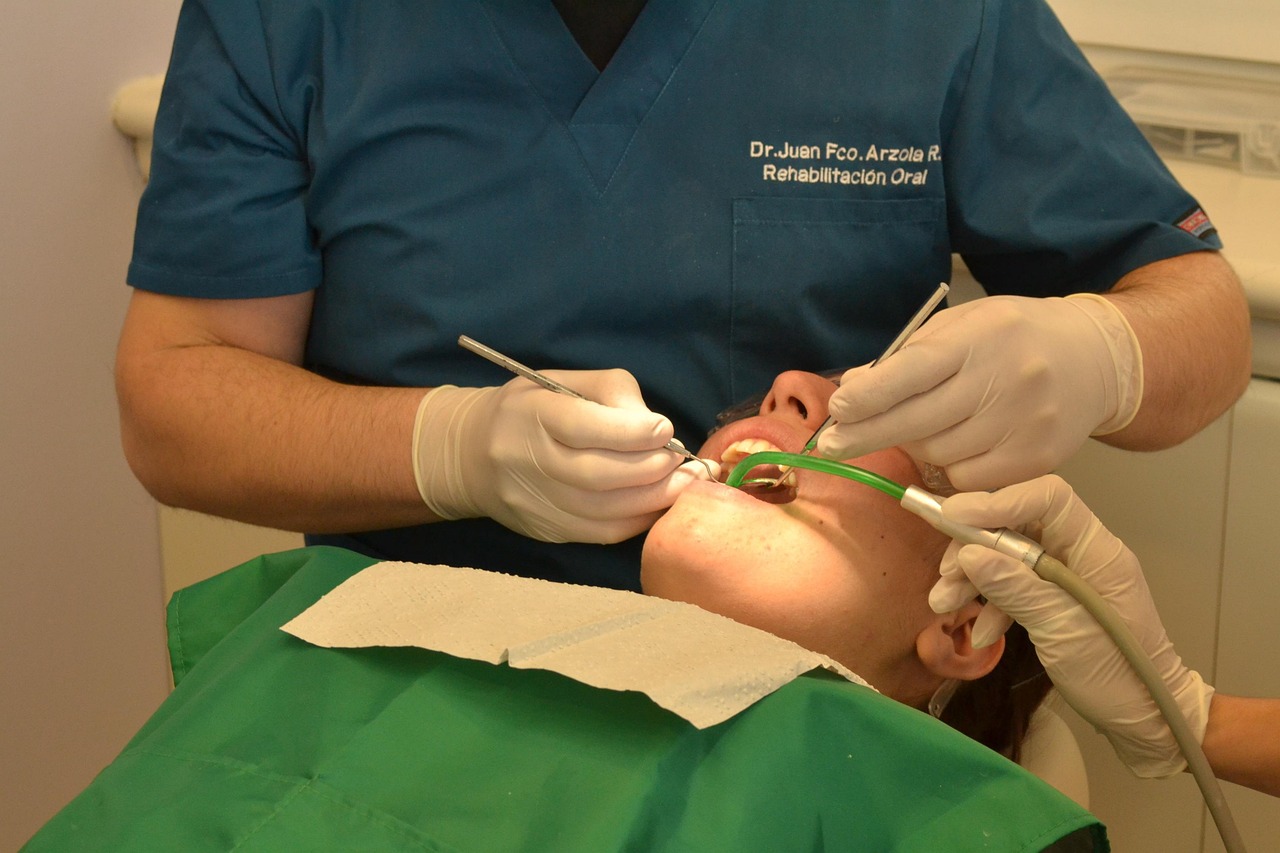
Good oral health goes far beyond having white teeth for selfies and coffee-shop smiles. Your gums, enamel, and overall oral hygiene all play a major role in your long-term health. One of the most effective ways to protect your teeth and gums is through Dental Scaling.
At Nipissing Dental, patients often ask, “Do I really need dental scaling if I brush every day?” The short answer is yes. Even excellent brushing habits cannot always remove hardened tartar below the gumline. That is where professional dental cleaning becomes essential.
This guide explains what dental scaling is, how it works, why dentists recommend it, and how it helps prevent gum disease and tooth loss. If you have ever noticed bleeding gums after brushing or wondered whether tartar buildup could harm your teeth, this article will answer those questions clearly and honestly.
What Is Dental Scaling?
Dental Scaling is a professional dental cleaning treatment that removes plaque, tartar, and bacteria from the surface of teeth and below the gumline.
Plaque forms naturally every day. It contains bacteria that feed on sugars in your mouth. If plaque stays on teeth for too long, it hardens into tartar. Unlike plaque, tartar cannot be removed with a toothbrush or floss.
Dentists use special tools during teeth scaling to safely clean these deposits from the teeth and gum pockets. This process supports healthy gums care and reduces the risk of gum disease.
Think of tartar like concrete on a driveway. Brushing can handle fresh dirt, but once that dirt hardens, you need professional equipment to remove it properly.
Why Dental Scaling Matters for Oral Health
Many people only visit the dentist when pain appears. Unfortunately, gum disease often develops quietly.
According to the Canadian Dental Association and the Centers for Disease Control and Prevention (CDC), plaque and tartar buildup can lead to gingivitis and periodontitis if left untreated.
Dental scaling helps prevent:
- Gum inflammation
- Bleeding gums
- Persistent bad breath
- Gum recession
- Bone loss around teeth
- Tooth loss
- Advanced periodontal disease
Professional plaque removal also improves overall oral wellness care by reducing harmful bacteria in the mouth.
Your gums act like the foundation of a house. Strong teeth cannot survive long without healthy gums supporting them.
Signs You May Need Dental Scaling
Your mouth usually gives warning signs before serious gum disease develops.
Here are common symptoms that suggest you may need a gum cleaning procedure:
Bleeding Gums
If your gums bleed while brushing or flossing, bacteria and inflammation may already exist below the gumline.
Persistent Bad Breath
Bad breath treatment often starts with removing bacteria trapped under tartar deposits.
Yellow or Brown Buildup on Teeth
Visible tartar buildup removal becomes necessary when plaque hardens around the gumline.
Swollen or Tender Gums
Inflamed gums may indicate early gingivitis treatment is needed.
Gum Recession
If teeth suddenly look longer, your gums may be pulling away because of periodontal disease.
Sensitive Teeth
Bacteria and exposed roots can increase tooth sensitivity.
Ignoring these signs rarely solves the problem. In fact, gum disease usually worsens over time without professional care.
What Happens During a Dental Scaling Procedure?
Many patients feel nervous before their appointment because they do not know what happens during dental deep cleaning.
The good news? Modern dental scaling procedures are far more comfortable than most people expect.
Step 1: Oral Examination
Your dentist or hygienist checks your teeth and gums for plaque buildup, gum pockets, and signs of infection.
They may also use dental X-rays if deeper issues appear.
Step 2: Ultrasonic Dental Scaling
Most clinics now use ultrasonic dental scaling tools. These devices use vibrations and water to loosen tartar safely.
The water spray also helps wash away bacteria and debris.
Step 3: Hand Scaling
Dental professionals use hand instruments to clean smaller areas and smooth tooth surfaces carefully.
Step 4: Scaling and Polishing
After removing tartar, the teeth are polished to reduce surface stains and make it harder for plaque to stick again.
If you want to maintain cleaner teeth and healthier gums, routine scaling and polishing treatment can make a major difference in your oral hygiene.
Step 5: Fluoride or Aftercare Advice
Some patients receive fluoride treatment or personalized oral care recommendations.
The process usually takes between 30 minutes and one hour depending on tartar buildup and gum health.
Does Dental Scaling Hurt?
One of the most searched questions online is: “Does dental scaling hurt?”
For most people, routine scaling and polishing treatment causes little discomfort.
Patients with severe tartar buildup or sensitive gums may feel mild soreness during or after treatment. Dentists can use numbing gels or local anesthesia when necessary.
Aftercare discomfort usually disappears within a few days.
You may notice:
- Slight gum tenderness
- Mild sensitivity to cold foods
- Temporary bleeding
These symptoms typically improve quickly as gums heal.
In many cases, the relief after treatment feels better than the discomfort before it. Patients often say their teeth feel “lighter” or “smoother” afterward.
Benefits of Dental Scaling
Dental scaling offers far more than cosmetic improvements.
Prevents Gum Disease
Removing plaque and bacteria helps stop gingivitis before it progresses into severe periodontal disease.
Improves Breath
Oral bacteria removal reduces bad breath caused by trapped plaque and tartar.
Protects Tooth Enamel
Professional teeth cleaning helps prevent cavities and enamel damage.
Supports Healthy Gums
Clean gums attach more securely around teeth.
Reduces Risk of Tooth Loss
Untreated gum disease remains one of the leading causes of adult tooth loss.
Improves Appearance
Scaling and polishing can remove surface stains from coffee, tea, and smoking.
Supports Preventive Dentistry
Routine preventive dental care often prevents expensive procedures later.
Preventive dental care almost always costs less than restorative treatment.
How Often Should You Get Dental Scaling?
The answer depends on your oral health, habits, and risk factors.
Most dentists recommend professional oral cleaning every six months.
However, some people may need more frequent appointments, including:
- Smokers
- Patients with diabetes
- People with braces
- Patients with gum disease history
- Individuals with heavy tartar buildup
Your dentist creates a schedule based on your gum health maintenance needs.
Skipping cleanings for years often leads to bigger dental bills later. Your future self will probably appreciate regular checkups more than emergency root canals.
Can Dental Scaling Whiten Teeth?
Dental scaling can improve the appearance of teeth by removing surface stains and tartar buildup.
However, it does not technically whiten teeth like professional bleaching treatments.
Patients often notice brighter smiles after scaling because:
- Plaque disappears
- Surface stains reduce
- Teeth feel cleaner and smoother
If you want dramatic whitening results, your dentist may recommend cosmetic whitening after your dental cleaning treatment.
Is Dental Scaling Safe?
Yes. Dental scaling is considered a safe and standard preventive dentistry procedure.
The American Dental Association supports professional dental cleanings as part of maintaining oral health.
Some online myths incorrectly claim scaling damages enamel or loosens teeth. These claims lack scientific support when qualified dental professionals perform the treatment correctly.
In reality:
- Scaling removes harmful tartar
- It protects gum tissue
- It helps preserve teeth long term
If teeth feel loose before treatment, gum disease likely caused the problem, not the cleaning itself.
Dental Scaling Aftercare Tips
Proper dental scaling aftercare helps gums heal faster and keeps bacteria under control.
Brush Gently
Use a soft-bristled toothbrush for the first few days.
Floss Daily
Flossing prevents plaque from rebuilding between teeth.
Avoid Smoking
Smoking slows gum healing and increases infection risk.
Drink Water Frequently
Water helps rinse bacteria and food particles.
Avoid Extremely Hot or Cold Foods
Sensitive gums may react temporarily after treatment.
Follow Your Dentist’s Advice
Personalized aftercare recommendations matter more than random internet hacks.
Good oral care routine habits keep your results lasting longer.
For long-term gum health maintenance, regular dental hygiene services remain essential.
Dental Scaling for Gum Disease
When plaque spreads below the gums, periodontal cleaning becomes essential.
Dental scaling for gum disease helps:
- Reduce inflammation
- Remove harmful bacteria
- Lower gum pocket depth
- Prevent bone loss
Early treatment often reverses gingivitis before permanent damage occurs.
Advanced periodontitis may require scaling and root planing, antibiotics, or surgical treatment.
That is why early diagnosis matters so much.
Common Myths About Dental Scaling
“Brushing Alone Removes Tartar”
False. Once tartar hardens, only professional tools can remove it safely.
“Dental Scaling Weakens Teeth”
No scientific evidence supports this claim.
“If My Teeth Don’t Hurt, My Mouth Is Healthy”
Gum disease often develops without pain in early stages.
“Scaling Is Only Cosmetic”
Dental scaling protects oral health, not just appearance.
Choosing the Right Dental Cleaning Clinic
When searching for the best dental cleaning clinic, focus on experience, patient care, and preventive treatment philosophy.
At Nipissing Dental Milton, patients receive comprehensive dental hygiene services tailored to their oral health needs.
A good dental clinic should:
- Explain procedures clearly
- Focus on preventive care
- Use modern equipment
- Offer personalized treatment plans
- Prioritize patient comfort
You can also learn more about the clinic and its experienced dental professionals on the About Us page.
Trust matters in dentistry. Patients should feel informed, respected, and comfortable asking questions.
Final Thoughts
Dental Scaling plays a major role in maintaining healthy teeth and gums. It removes plaque, tartar, and harmful bacteria that daily brushing cannot fully eliminate.
Professional teeth cleaning helps prevent gum disease, bad breath, tooth decay, and long-term oral health complications. More importantly, it protects the foundation of your smile before serious problems develop.
Routine dental cleaning treatment may not sound exciting, but neither does paying for avoidable dental surgery later.
If you notice bleeding gums, tartar buildup, or persistent bad breath, schedule your dental cleaning appointment today.
For patients looking for trusted preventive dental care in Milton, Nipissing Dental Care provides professional cleanings, gum care, and personalized treatment plans focused on long-term oral wellness.
Frequently Asked Question
What is Dental Scaling?
Dental Scaling is a professional dental cleaning procedure that removes plaque, tartar, and bacteria from the teeth and below the gumline. It helps prevent gum disease, bad breath, and tooth decay while supporting long-term oral health.
Is Dental Scaling Necessary?
Yes. Even with regular brushing and flossing, tartar can still build up in hard-to-reach areas. Professional dental cleaning services help remove hardened deposits that home care cannot eliminate.
Does Dental Scaling Hurt?
Most patients experience little to no pain during routine dental scaling. Some people with sensitive gums or heavy tartar buildup may feel mild discomfort, but dentists can use numbing solutions if needed.
How Long Does Dental Scaling Take?
A standard dental scaling appointment usually takes between 30 minutes and one hour, depending on the amount of plaque and tartar buildup.
How Often Should You Get Dental Scaling?
Most dentists recommend professional teeth cleaning every six months. However, patients with gum disease, braces, smoking habits, or excessive tartar buildup may need more frequent visits.
Can Dental Scaling Whiten Teeth?
Dental scaling removes plaque, tartar, and surface stains, which can make teeth appear cleaner and brighter. However, it does not whiten teeth like cosmetic bleaching treatments.